The Top Two Inches: Mental Skills and Wellbeing in Rowing

Why mastering your mindset is just as important as building physical power
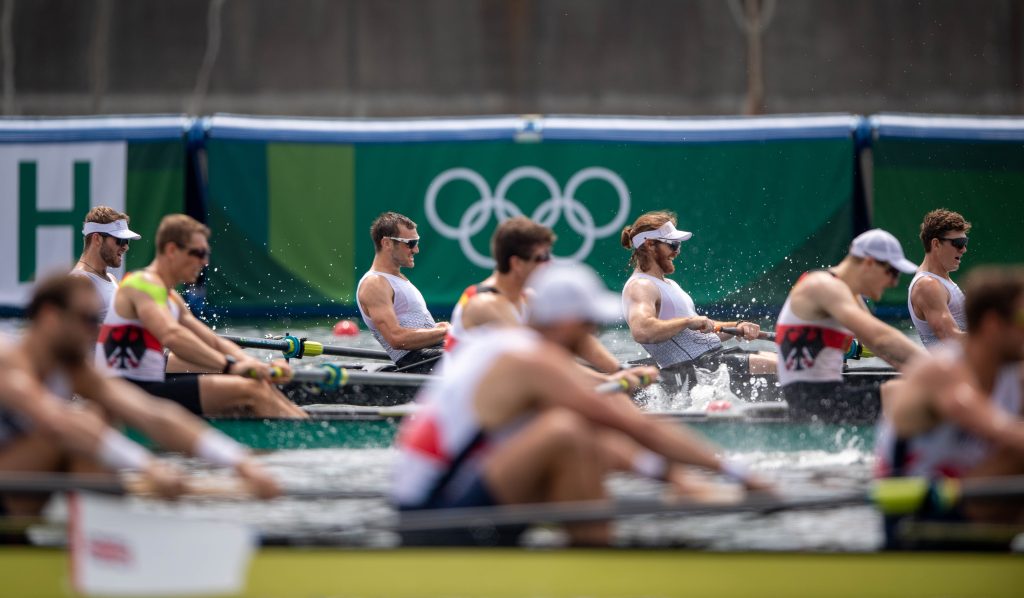
Rowing is often described as a battle of endurance, strength and technical precision, but anyone who has spent time in a boat knows that the real challenge often lives in the “top two inches” - your brain!. Whether it’s pushing through pain in the final 500 metres, handling selection pressure, feeling exhausted, or rebuilding confidence after a tough performance, the mental side of rowing plays a huge role in both performance and wellbeing.
Rowing presents its own set of mental challenges. Selection pressure can be ongoing and uncertain, confidence can fluctuate week to week, and comparison - both internal and external - is hard to avoid in a results-driven environment. These pressures don’t mean something is wrong; they are a normal part of sport, but the key is having the tools and support to navigate them.
Mental skills are the tools athletes use to perform - managing nerves, staying present, building confidence and responding effectively to pressure. However, being able to perform under pressure and implement mental skills relies on athletes feeling supported, grounded and mentally well. That’s when mental health can come into play, however minor or serious it may be. Mental health, compared to mental skills, is about overall well-being: how athletes cope with stress, uncertainty, setbacks, and life outside the sport.
In rowing, where training loads are high and margins are small, mental skills are essential and can be seen as “an edge” or “X-factor” of some rowers. When mental skills are developed in a healthy environment, and athletes are mentally well, they are better equipped to thrive - both in and out of the boat.
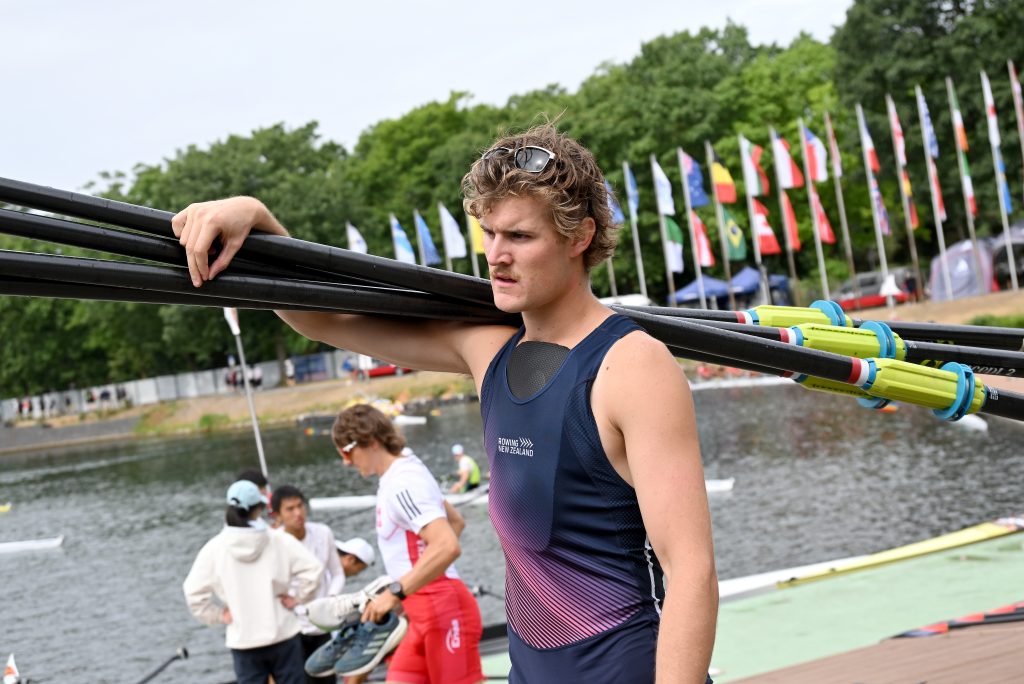
A major step forward for Rowing New Zealand has been the introduction of a full-time, in-house psychologist - the first time this role has been a full-time one within the organisation. Brent Membery, Rowing NZ’s Performance Psychologist, works closely with athletes and staff to support both mental performance and wellbeing across the programme, as well as team building and communication exercises.

Selection stress, for example, is something nearly every athlete experiences. Learning how to respond to it in a productive way can make a significant difference to both performance and enjoyment of the sport. Another key mental skill is how you prepare yourself for erg testing - understanding what helps you get into your best headspace. For some, that might mean staying present, focusing on the process rather than the result, and controlling what you can on the day.
Having an in-house psychologist means support is embedded into the daily training environment, not just accessed when things feel overwhelming. It also helps normalise conversations around mental skills and our mental health, making them as routine as the physical side of rowing training.
Brent Membery:
Here are some quick tips for rowers who are looking to take their rowing to the next level by developing their mental skills alongside their physical training.
Practical Mental Skills for Rowers
Some key mental skills that athletes can develop include:
- Self-Awareness: building understanding of yourself, what’s important to you, your thinking, emotions, vulnerabilities, strengths, and much more.
- Controlling the controllables: focusing energy on effort, preparation and attitude and not specifically the outcome.
- Staying Present: building your capacity to focus on what’s important in the present moment by not getting swayed by past/future thinking.
- Reflection: understanding how to reflect on your processes effectively and what/who you can utilise to support this.
These skills don’t remove pressure as our brain is designed to protect us and look out for ‘perceived threats’- but they help athletes respond to it with clarity and resilience.
As a high-performance athlete myself, I have worked closely with Brent across each of these areas. In developing self-awareness, I’ve focused on better understanding my own values and striving to ensure my behaviours align with them - both in my daily life and in rowing.
Controlling the controllables is vital in sport. For me, that means not getting caught up in things outside of my control, such as the weather, how others are feeling, or how they respond to situations. Instead, I try to focus on what I can control in any given moment, no matter what’s happening around me. Staying present and not looking too far ahead is a key part of this. With trials approaching, thinking too much about the future or potential outcomes can leave me feeling worried and uneasy. When I shift my focus to the next session, the day-to-day process, or even the next stroke I’m about to take, I feel far more grounded and in control.
I also work with Brent to reflect on different situations - what went well and what could have been handled better - allowing me to continually develop and strengthen my mental skills, both in and out of the boat.
Rowing will always be demanding - mentally and physically. But with greater emphasis on mental skills and wellbeing, athletes are better supported to handle the challenges that come with pursuing excellence and reaching their goals. The introduction of full-time in-house psychological support at Rowing NZ reflects a broader shift within Rowing NZ -recognising that sustainable performance comes from looking after the whole athlete.
When athletes are mentally supported, they don’t just perform better - they enjoy the journey more, support their teammates more effectively, and build skills that last well beyond their rowing careers.
If you’re a young rower looking to level up your training, racing, or simply strengthen your mental skills, maybe start with Brent’s small steps (mentioned above) and have a go at strengthening your top two inches!

Kate Haines
Kate Haines has been part of the New Zealand Rowing Team and is studying Accounting at Massey University. She is NZ Olympian #1567, who competed in the Paris Olympics.
Share Story


The Top Two Inches: Mental Skills and Wellbeing in Rowing
Why mastering your mindset is just as important as building physical power
Rowing is often described as a battle of endurance, strength and technical precision, but anyone who has spent time in a boat knows that the real challenge often lives in the “top two inches” - your brain!. Whether it’s pushing through pain in the final 500 metres, handling selection pressure, feeling exhausted, or rebuilding confidence after a tough performance, the mental side of rowing plays a huge role in both performance and wellbeing.
Rowing presents its own set of mental challenges. Selection pressure can be ongoing and uncertain, confidence can fluctuate week to week, and comparison - both internal and external - is hard to avoid in a results-driven environment. These pressures don’t mean something is wrong; they are a normal part of sport, but the key is having the tools and support to navigate them.
Mental skills are the tools athletes use to perform - managing nerves, staying present, building confidence and responding effectively to pressure. However, being able to perform under pressure and implement mental skills relies on athletes feeling supported, grounded and mentally well. That’s when mental health can come into play, however minor or serious it may be. Mental health, compared to mental skills, is about overall well-being: how athletes cope with stress, uncertainty, setbacks, and life outside the sport.
In rowing, where training loads are high and margins are small, mental skills are essential and can be seen as “an edge” or “X-factor” of some rowers. When mental skills are developed in a healthy environment, and athletes are mentally well, they are better equipped to thrive - both in and out of the boat.
A major step forward for Rowing New Zealand has been the introduction of a full-time, in-house psychologist - the first time this role has been a full-time one within the organisation. Brent Membery, Rowing NZ’s Performance Psychologist, works closely with athletes and staff to support both mental performance and wellbeing across the programme, as well as team building and communication exercises.
Selection stress, for example, is something nearly every athlete experiences. Learning how to respond to it in a productive way can make a significant difference to both performance and enjoyment of the sport. Another key mental skill is how you prepare yourself for erg testing - understanding what helps you get into your best headspace. For some, that might mean staying present, focusing on the process rather than the result, and controlling what you can on the day.
Having an in-house psychologist means support is embedded into the daily training environment, not just accessed when things feel overwhelming. It also helps normalise conversations around mental skills and our mental health, making them as routine as the physical side of rowing training.
Brent Membery:
Here are some quick tips for rowers who are looking to take their rowing to the next level by developing their mental skills alongside their physical training.
Practical Mental Skills for Rowers
Some key mental skills that athletes can develop include:
- Self-Awareness: building understanding of yourself, what’s important to you, your thinking, emotions, vulnerabilities, strengths, and much more.
- Controlling the controllables: focusing energy on effort, preparation and attitude and not specifically the outcome.
- Staying Present: building your capacity to focus on what’s important in the present moment by not getting swayed by past/future thinking.
- Reflection: understanding how to reflect on your processes effectively and what/who you can utilise to support this.
These skills don’t remove pressure as our brain is designed to protect us and look out for ‘perceived threats’- but they help athletes respond to it with clarity and resilience.
As a high-performance athlete myself, I have worked closely with Brent across each of these areas. In developing self-awareness, I’ve focused on better understanding my own values and striving to ensure my behaviours align with them - both in my daily life and in rowing.
Controlling the controllables is vital in sport. For me, that means not getting caught up in things outside of my control, such as the weather, how others are feeling, or how they respond to situations. Instead, I try to focus on what I can control in any given moment, no matter what’s happening around me. Staying present and not looking too far ahead is a key part of this. With trials approaching, thinking too much about the future or potential outcomes can leave me feeling worried and uneasy. When I shift my focus to the next session, the day-to-day process, or even the next stroke I’m about to take, I feel far more grounded and in control.
I also work with Brent to reflect on different situations - what went well and what could have been handled better - allowing me to continually develop and strengthen my mental skills, both in and out of the boat.
Rowing will always be demanding - mentally and physically. But with greater emphasis on mental skills and wellbeing, athletes are better supported to handle the challenges that come with pursuing excellence and reaching their goals. The introduction of full-time in-house psychological support at Rowing NZ reflects a broader shift within Rowing NZ -recognising that sustainable performance comes from looking after the whole athlete.
When athletes are mentally supported, they don’t just perform better - they enjoy the journey more, support their teammates more effectively, and build skills that last well beyond their rowing careers.
If you’re a young rower looking to level up your training, racing, or simply strengthen your mental skills, maybe start with Brent’s small steps (mentioned above) and have a go at strengthening your top two inches!
Kate Haines
Kate Haines has been part of the New Zealand Rowing Team and is studying Accounting at Massey University. She is NZ Olympian #1567, who competed in the Paris Olympics.