Reuben Cook: Balancing Rowing and Study in the US

Photo: Ed Hewitt/ Row2k.com
Princeton Co-Captain and former New Zealand Sculler on leadership, training and his thesis linking exercise to immunity
Shared with permission from princetonuniversityrowing.com
Reuben Cook is a two-time IRCA Second-Team All-American (2024, 2025) who has been part of Princeton’s 1V over the past four seasons. He contributed to the crew’s IRA gold in 2023 and silver in 2024, along with Eastern Sprints medals, including gold in 2023. In 2025, he was part of the 1V that placed fourth at IRAs and won bronze at Eastern Sprints, alongside a number of dual-race wins.
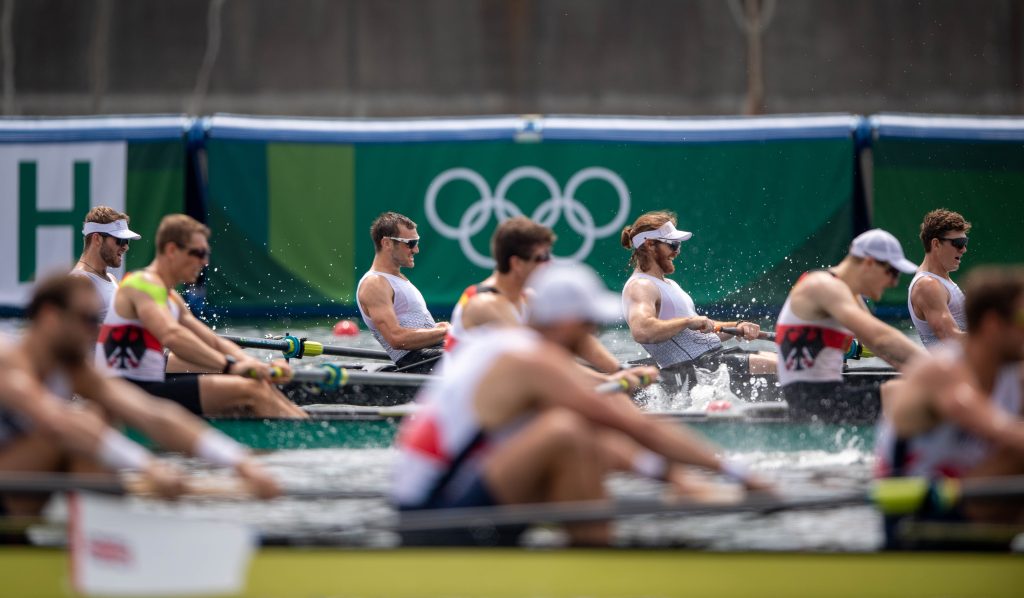
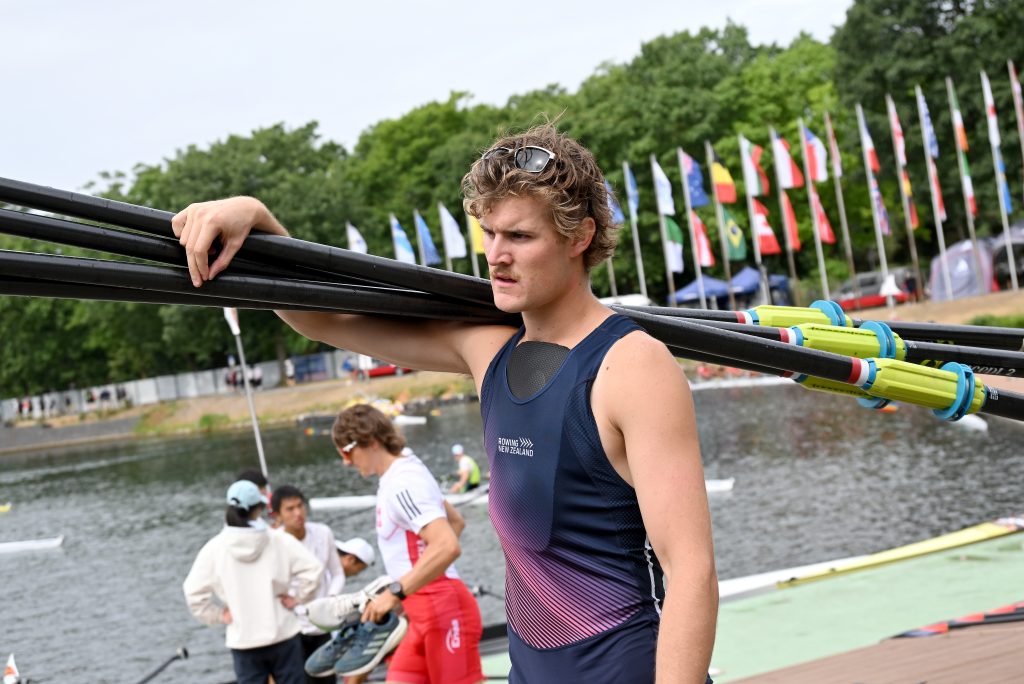
Before Princeton, Reuben rowed for Otago, where he was a two-time captain and Rower of the Year, and was involved in crews that achieved success at South Island and national level, including a New Zealand U18 title. He has also represented New Zealand at U23 level.
Q&A with Reuben:
What is your proudest moment at Princeton so far?
Winning the Eastern Sprints in the varsity my freshman year. It was great to see crews across the boathouse that day, and among our team, achieve their goals. Coach Crotty said before the race, “The Princeton train is rolling,” and I really felt a great sense of pride after winning that race, knowing what the boathouse had achieved that day. I remember multiple chats earlier that week about how we hadn’t won the event in 12 years, and I think to be part of that moment and crew to win it was truly special. It really felt like I was a part of something much bigger than me.
Can you give us the ‘elevator pitch’ for your thesis, and was there a specific moment at Princeton that inspired the topic?
When you exercise, your muscles produce a protein called IL15 that has been linked to anti-tumour immunity. However, little is known about why we produce this protein when we exercise, so I am looking at what is the role of this protein in exercise. I was lucky enough when meeting with advisors, talking about my interests in sports and exercise science, that an advisor happened to have done some previous research about exercise and immunology and was happy to let me work on the project. I have always wanted to be a sports physiologist, so this was just a great way to use my thesis to explore a similar field.
How has the relationship with your coaches shaped your perspective on leadership?
There are definitely many different ways to be a leader, and you don’t need to be a certain person or follow a certain style; it’s more about what is within you and what you value. Sometimes, you need to be more vocal and other days it is best to just keep your head down and lead by example. I have been lucky enough to have had 3 different coaches here at Princeton (Marty Crotty, Matthew Smith and David Burke) who I look up to, but also operate differently and have their own qualities that have made me more aware of what leadership is. I think this year being captain, Coach Smith has really taught me a lot about leadership from sides I haven’t previously thought about.

Reuben studying in the library of his Eating Club, Ivy.
What is the hardest workout you’ve ever completed on Lake Carnegie?
There have been a few that I remember, well, maybe I try not to remember them. A couple of times, we did an hour of power on Carnegie, where the goal is to row the furthest distance in an hour, no stopping, just spin as fast as you can. I think both times the margins have been under 10m apart, and thankfully, I have come out on top both times as they have been a serious mental battle. Physically, I still remember doing 750m pieces with the heavyweights after speed orders during IRA camp 2023. I think it was physically the hardest I have ever gone; we averaged under 1:20 split, and we finished 3 seats down.

The 2025 Princeton crews at Henley.

Winning the 2023 IRA Championships for Lightweights. Photo: Ed Hewitt/ Row2k.com
If you could go back and give freshman-year-you one piece of advice, what would it be?
Every semester will get better, but also, that change might not come instantly. Coming from a completely different school system and rowing setup, I struggled my freshman year to balance both academics and rowing and didn’t really think I could manage it all for four years. However, each year I’ve gotten better academically and found what works for me. From a rowing perspective, it can be hard to assess if things are going well, so give it time, because eventually it will pay off.
What is one lesson from rowing that you’ll carry with you for life?
If you want to make something happen, you just have to do it. Rowing is very rewarding in the sense that basically, how much you put in is how much you get out. I really enjoy the ownership of setting goals and standards for yourself, so that you can do what you want, but it comes from you. In that sense, also continuing to surround yourself with those better than you who you can look up to and learn from, I think, will always make me better at whatever I do.
What is your favourite regatta venue (other than Lake Carnegie) and why?
Lake Ruataniwha in New Zealand. I’ve raced over 50% of my races there and spent many summers training up and down the course. It’s a glacial lake that looks like blue Powerade and is truly stunning. The first 1000m is relatively open with a little island for the 500m mark, before you approach land that runs along the course at the 1000m mark to the finish. I think it’s shaped how I race, as you are in no man’s land for the first km, so you can really dig in and do some damage to the other crews before you hear all the crowd carry you to the finish.
What is one thing about Princeton Rowing that you think outsiders wouldn’t understand?
Just how close the boathouse and teams are. I think almost every meal I eat is with a rower, and every class I am in, I usually sit with a rower. I think it is also just so amazing the calibre of athletes, but also people that you bump into in the locker room or are sitting behind in a boat. I think it’s hard to explain that maybe the person behind you is probably going to go to the Olympics, and the other may go solve the world’s next big problem. I think it’s pretty amazing and is definitely why I wanted to come to Princeton and what I’ll miss most when I’m gone.
What is the secret to successfully balancing your academic goals with training for the racing season?
I wish I had a secret or knew how to do it. I’m very much a get work done during the day and then be done with it. I kind of live by this thing that I can’t expect to have rowing training be perfect, racing to be perfect, and every class to be perfect. I assess whether the practice was really good today or if that class is going well. I often find that no matter what I look at, one thing is going really well, and it’s just making sure that when it’s racing season and important trainings, they line up well, and that keeps me mentally less stressed.
Share Story

Reuben Cook: Balancing Rowing and Study in the US
Photo: Ed Hewitt/ Row2k.com
Princeton Co-Captain and former New Zealand Sculler on leadership, training and his thesis linking exercise to immunity
Shared with permission from princetonuniversityrowing.com
Reuben Cook is a two-time IRCA Second-Team All-American (2024, 2025) who has been part of Princeton’s 1V over the past four seasons. He contributed to the crew’s IRA gold in 2023 and silver in 2024, along with Eastern Sprints medals, including gold in 2023. In 2025, he was part of the 1V that placed fourth at IRAs and won bronze at Eastern Sprints, alongside a number of dual-race wins.
Before Princeton, Reuben rowed for Otago, where he was a two-time captain and Rower of the Year, and was involved in crews that achieved success at South Island and national level, including a New Zealand U18 title. He has also represented New Zealand at U23 level.
Q&A with Reuben:
What is your proudest moment at Princeton so far?
Winning the Eastern Sprints in the varsity my freshman year. It was great to see crews across the boathouse that day, and among our team, achieve their goals. Coach Crotty said before the race, “The Princeton train is rolling,” and I really felt a great sense of pride after winning that race, knowing what the boathouse had achieved that day. I remember multiple chats earlier that week about how we hadn’t won the event in 12 years, and I think to be part of that moment and crew to win it was truly special. It really felt like I was a part of something much bigger than me.
Can you give us the ‘elevator pitch’ for your thesis, and was there a specific moment at Princeton that inspired the topic?
When you exercise, your muscles produce a protein called IL15 that has been linked to anti-tumour immunity. However, little is known about why we produce this protein when we exercise, so I am looking at what is the role of this protein in exercise. I was lucky enough when meeting with advisors, talking about my interests in sports and exercise science, that an advisor happened to have done some previous research about exercise and immunology and was happy to let me work on the project. I have always wanted to be a sports physiologist, so this was just a great way to use my thesis to explore a similar field.
How has the relationship with your coaches shaped your perspective on leadership?
There are definitely many different ways to be a leader, and you don’t need to be a certain person or follow a certain style; it’s more about what is within you and what you value. Sometimes, you need to be more vocal and other days it is best to just keep your head down and lead by example. I have been lucky enough to have had 3 different coaches here at Princeton (Marty Crotty, Matthew Smith and David Burke) who I look up to, but also operate differently and have their own qualities that have made me more aware of what leadership is. I think this year being captain, Coach Smith has really taught me a lot about leadership from sides I haven’t previously thought about.
Reuben studying in the library of his Eating Club, Ivy.
What is the hardest workout you’ve ever completed on Lake Carnegie?
There have been a few that I remember, well, maybe I try not to remember them. A couple of times, we did an hour of power on Carnegie, where the goal is to row the furthest distance in an hour, no stopping, just spin as fast as you can. I think both times the margins have been under 10m apart, and thankfully, I have come out on top both times as they have been a serious mental battle. Physically, I still remember doing 750m pieces with the heavyweights after speed orders during IRA camp 2023. I think it was physically the hardest I have ever gone; we averaged under 1:20 split, and we finished 3 seats down.
The 2025 Princeton crews at Henley.
Winning the 2023 IRA Championships for Lightweights. Photo: Ed Hewitt/ Row2k.com
If you could go back and give freshman-year-you one piece of advice, what would it be?
Every semester will get better, but also, that change might not come instantly. Coming from a completely different school system and rowing setup, I struggled my freshman year to balance both academics and rowing and didn’t really think I could manage it all for four years. However, each year I’ve gotten better academically and found what works for me. From a rowing perspective, it can be hard to assess if things are going well, so give it time, because eventually it will pay off.
What is one lesson from rowing that you’ll carry with you for life?
If you want to make something happen, you just have to do it. Rowing is very rewarding in the sense that basically, how much you put in is how much you get out. I really enjoy the ownership of setting goals and standards for yourself, so that you can do what you want, but it comes from you. In that sense, also continuing to surround yourself with those better than you who you can look up to and learn from, I think, will always make me better at whatever I do.
What is your favourite regatta venue (other than Lake Carnegie) and why?
Lake Ruataniwha in New Zealand. I’ve raced over 50% of my races there and spent many summers training up and down the course. It’s a glacial lake that looks like blue Powerade and is truly stunning. The first 1000m is relatively open with a little island for the 500m mark, before you approach land that runs along the course at the 1000m mark to the finish. I think it’s shaped how I race, as you are in no man’s land for the first km, so you can really dig in and do some damage to the other crews before you hear all the crowd carry you to the finish.
What is one thing about Princeton Rowing that you think outsiders wouldn’t understand?
Just how close the boathouse and teams are. I think almost every meal I eat is with a rower, and every class I am in, I usually sit with a rower. I think it is also just so amazing the calibre of athletes, but also people that you bump into in the locker room or are sitting behind in a boat. I think it’s hard to explain that maybe the person behind you is probably going to go to the Olympics, and the other may go solve the world’s next big problem. I think it’s pretty amazing and is definitely why I wanted to come to Princeton and what I’ll miss most when I’m gone.
What is the secret to successfully balancing your academic goals with training for the racing season?
I wish I had a secret or knew how to do it. I’m very much a get work done during the day and then be done with it. I kind of live by this thing that I can’t expect to have rowing training be perfect, racing to be perfect, and every class to be perfect. I assess whether the practice was really good today or if that class is going well. I often find that no matter what I look at, one thing is going really well, and it’s just making sure that when it’s racing season and important trainings, they line up well, and that keeps me mentally less stressed.